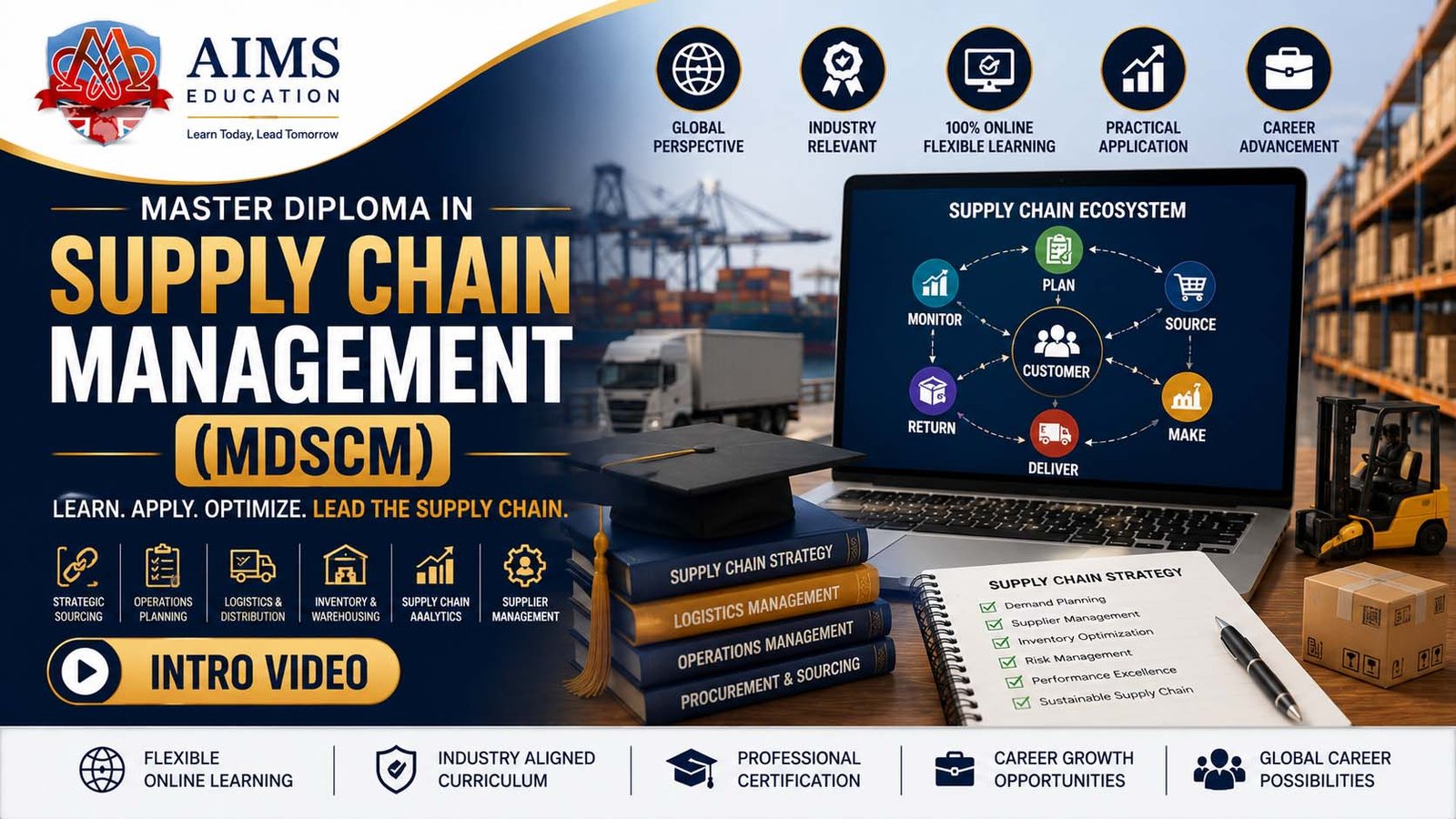
Diploma in Supply Chain Management at AIMS is a fully online, career-focused postgraduate program for professionals and graduates who want to develop practical expertise in logistics, procurement, planning, operations, technology, and supply chain design. The Diploma in Logistics and Supply Chain Management combines interactive lectures, comprehensive study manuals, assignments, examinations, faculty support, and a supervised real-world supply chain project.

The Supply Chain Management Diploma (MDSCM) develops broader capability in supply chain strategy, logistics operations, procurement, planning, technology, sustainability, and applied supply chain decision-making.

  • This supply chain diploma is designed for working professionals, graduates, supervisors, managers, consultants, and business owners who want flexible online study without pausing their careers.
  • The supply chain management diploma online supports practical workplace application and progression to advanced study in supply chain and logistics management.
online diploma in logistics and supply chain management

Supply Chain Management Diploma at a Glance

Learning Method100% online, flexible, and self-paced
Average DurationApproximately 3 to 7 months
Study RequirementApproximately 10 to 12 hours per week
Registration Duration1 year of registration validity, with extensions available upon request
Study ResourcesInteractive lectures, comprehensive study manuals, supply chain management library access, assignments, expert faculty support, and a real-world project
AssessmentAssignments, examinations, and a real-world supply chain project
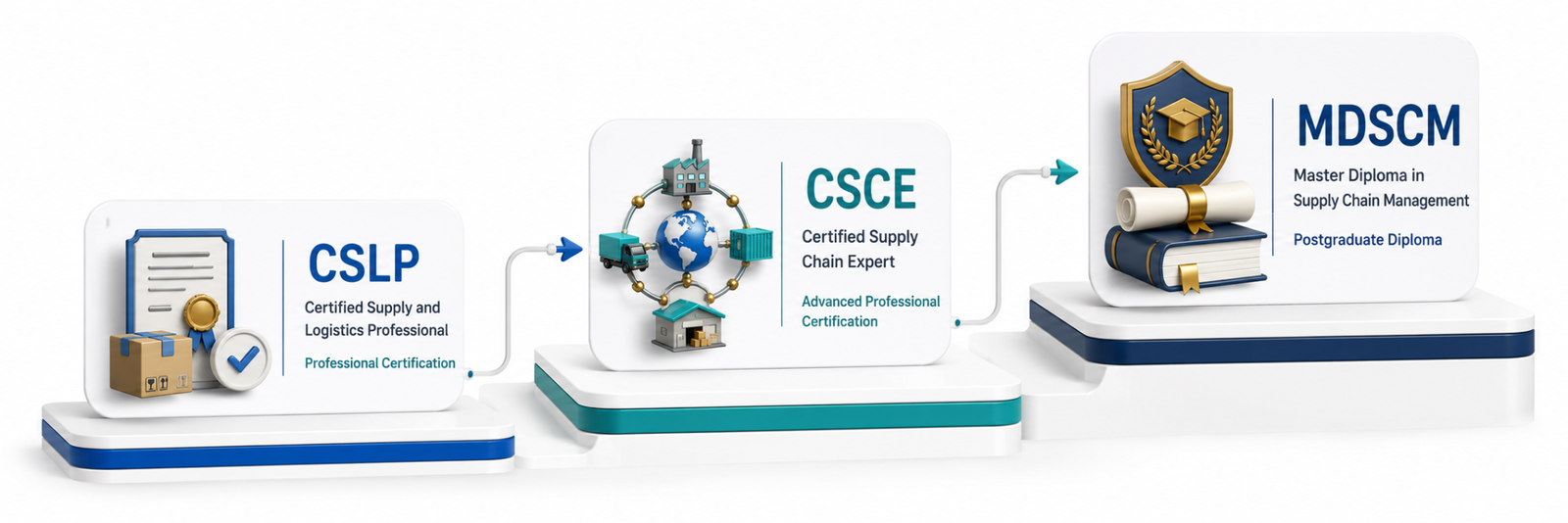
Semester I QualificationsCertified Supply and Logistics Professional (CSLP) and Certified Supply Chain Expert (CSCE)
Semester II QualificationMaster Diploma in Supply Chain Management (MDSCM)

Key Features of AIMS’ Supply Chain Management Diploma

  • Flexible Online Study for Working Professionals

    The Diploma in Supply Chain Management is delivered fully online through a flexible, self-paced format. Students can organise their studies around work and personal commitments while completing the required coursework, assignments, examinations, and project work.

  • Modern Supply Chain, Technology, and SCOR-Based Learning

    The curriculum covers logistics, procurement, planning, inventory, warehousing, transportation, operations, supply chain technology, sustainability, analytics, and digital supply chain practices. Students also apply SCOR concepts in practical supply chain analysis and design.

  • Broader Supply Chain Management Capability

    The Supply Chain Management Diploma develops capability across multiple supply chain functions rather than focusing on a single specialist area. Students strengthen their understanding of how logistics, sourcing, planning, operations, technology, and performance management work together across an integrated supply chain.

  • Practical Learning and Real-World Application

    The Diploma in Logistics and Supply Chain Management combines interactive lectures, comprehensive study manuals, case-based assignments, faculty support, and a supervised real-world supply chain project. Students apply concepts to practical supply chain planning, analysis, and decision-making.

  • Integrated Supply Chain Qualifications

    Students earn the Certified Supply and Logistics Professional (CSLP) and Certified Supply Chain Expert (CSCE) qualifications during the program before completing the Master Diploma in Supply Chain Management (MDSCM).
  • Accreditation and UK Registration

    AIMS is registered with UKRLP in the United Kingdom, globally accredited by QAHE, and accredited by CPD in the UK. These credentials support AIMS’ commitment to quality, professional education, and internationally oriented learning.

Diploma in Supply Chain Management: Objectives and Outcomes

  • Develop practical capability in supply chain planning, logistics, procurement, sourcing, inventory, warehousing, transportation, and operations.
  • Analyse and improve supply chain performance across cost, service, responsiveness, efficiency, and resilience.
  • Apply forecasting, inventory planning, procurement, supplier management, and distribution principles to real business situations.
  • Use supply chain technologies and information systems, including ERP, WMS, TMS, CRM, SRM, and data-supported decision-making tools.
  • Evaluate supply chain processes, performance measures, and improvement opportunities using relevant SCOR concepts.
  • Apply supply chain knowledge through case-based analysis and a supervised real-world project.

Program Structure, Certifications and Academic Progression

The Diploma in Supply Chain Management follows a two-semester structure. Semester I comprises three taught courses, while Semester II comprises one advanced course and a supervised real-world supply chain project. Students earn the CSLP and CSCE qualifications during the program before completing the Master Diploma in Supply Chain Management (MDSCM).

  • Semester II: Master Diploma Award

    • Semester II extends learning into supply chain technology, information systems, supplier and customer relationships, sustainability, performance improvement, and applied supply chain design.
    • After completing the required course, assessments, and supervised real-world project, students earn the Master Diploma in Supply Chain Management (MDSCM).
Supply Chain Diploma Overview

Diploma in Supply Chain Management Curriculum

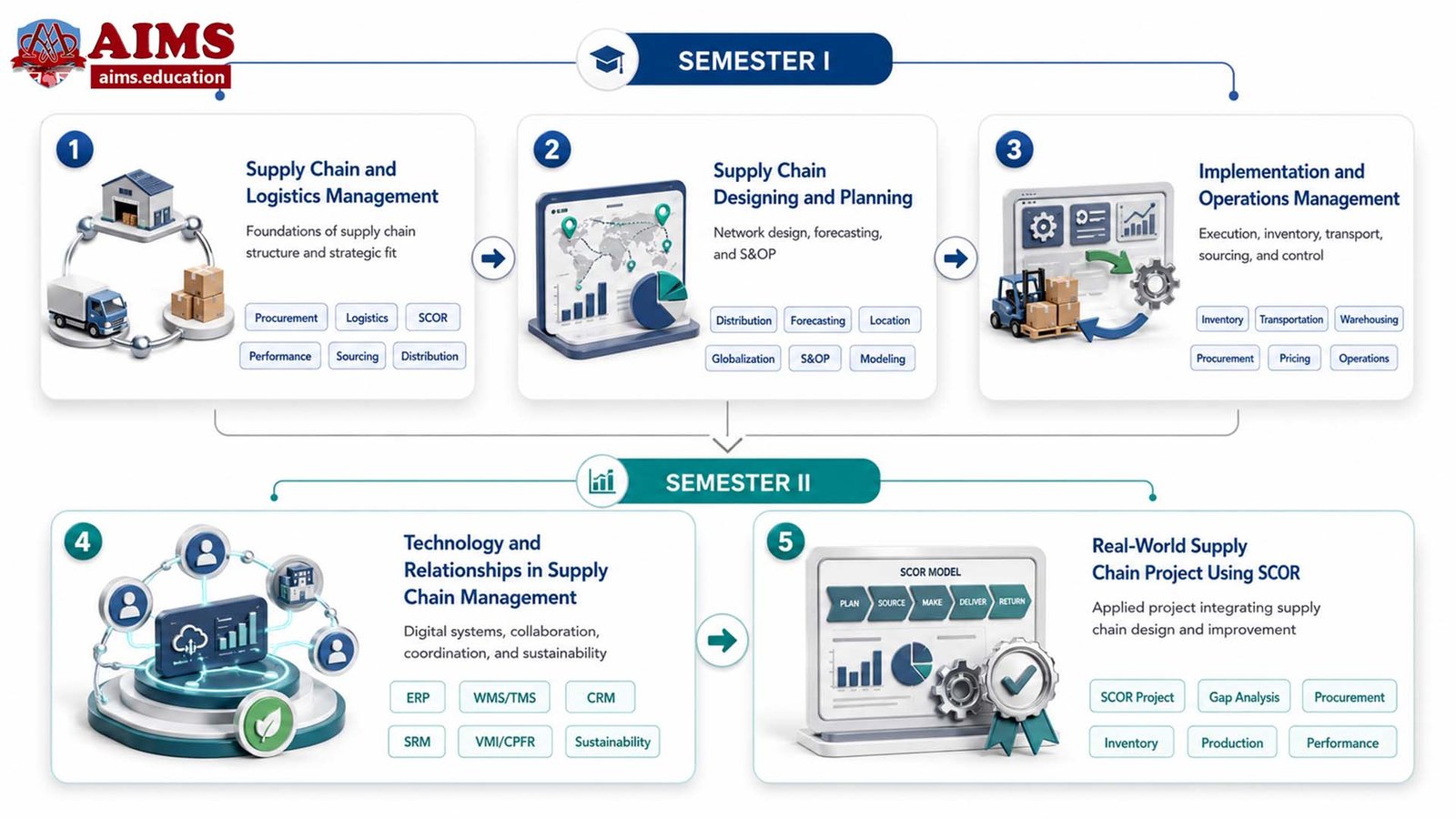
The Diploma in Supply Chain Management progresses from logistics and supply chain foundations to planning, procurement, operations, technology, coordination, sustainability, and applied supply chain design. The curriculum includes four taught courses and a supervised real-world supply chain project.

Semester I: Logistics, Supply Chain Planning, Procurement, and Operations

Semester I comprises three courses covering logistics, supply chain strategy, network planning, forecasting, procurement, inventory, warehousing, transportation, and operational management. Successful completion leads to the CSLP and CSCE qualifications.

  • This course introduces the principles of supply chain and logistics management, including supply chain strategy, logistics networks, customer service, sourcing, transportation, inventory, facilities, information, and pricing.
  • Students also examine 3PL, 4PL, reverse logistics, supply chain integration, performance measurement, and the relationship between supply chain decisions and business strategy.
  • Students develop capability in distribution network design, facility location, global supply chain planning, demand forecasting, capacity decisions, and sales and operations planning.
  • The course examines how organisations balance cost, service, demand, supply, capacity, and risk when designing and managing responsive supply chain networks.
  • This course focuses on the operational decisions required to manage inventory, transportation, procurement, sourcing, suppliers, warehousing, and capacity.
  • Students examine safety stock, service levels, supplier evaluation, total landed cost, transportation networks, warehouse operations, demand prioritisation, and supply chain coordination.

Semester II: Technology, Relationships, Sustainability, and Applied Project

Semester II comprises one advanced course and a supervised real-world project. It develops capability in supply chain technology, customer and supplier relationships, coordination, sustainability, performance improvement, and practical supply chain design.

  • Students examine the technologies and collaborative practices used to improve supply chain visibility, coordination, service, and decision-making.
  • Topics include ERP, WMS, TMS, data acquisition systems, CRM, SRM, supplier collaboration, the bullwhip effect, vendor-managed inventory, collaborative planning and replenishment, sustainability, and closed-loop supply chains.
  • The course also introduces relevant SCOR concepts for understanding supply chain processes, performance, and improvement opportunities.

The supervised real-world project allows students to apply the knowledge developed throughout the Supply Chain Management Diploma to a practical business scenario.

  • Students use relevant SCOR concepts to analyse and design supply chain processes involving supplier management, procurement, inventory, production planning, logistics, technology, and performance measurement.
  • The project requires students to identify gaps, organise supply chain information, develop improvement priorities, and present a practical supply chain design or improvement model.

How to Complete the Diploma in Supply Chain Management Online

The Diploma in Supply Chain Management is completed fully online through a flexible, self-paced study format. Students progress through four taught courses, assignments, semester examinations, and a supervised real-world supply chain project before earning the MDSCM.
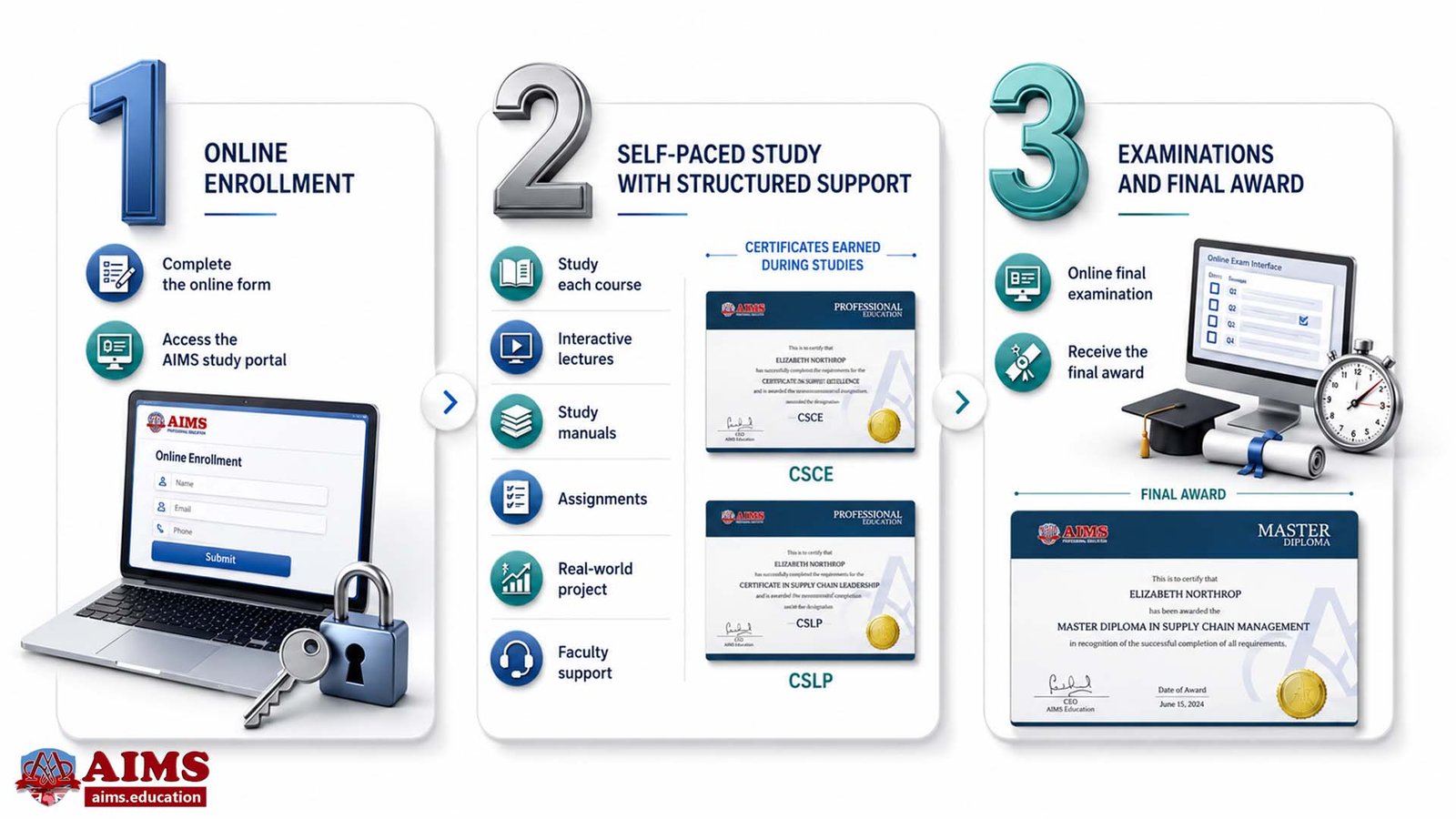
  • Students complete the online enrollment form and submit the required fee.
  • Once registration is processed, access to the AIMS online study portal is normally provided within 1 to 2 working days, allowing students to begin without waiting for a fixed intake date.
  • Students study four taught courses through interactive lectures, comprehensive study manuals, faculty support, and online library resources.
  • The coursework combines supply chain theory with practical examples, case-based learning, and workplace applications.
  • Each taught course includes two MCQ-based assignments, resulting in 8 assignments across the program.
  • After completing the three Semester I courses and required assignments, students may request the Semester I examination. Successful completion leads to the CSLP and CSCE qualifications.
  • In Semester II, students complete the final taught course, required assignments, supervised real-world supply chain project, and final examination to earn the Master Diploma in Supply Chain Management (MDSCM).
  • Assignments and examinations are multiple-choice, with a minimum passing requirement of 65%. The real-world project is assessed separately as the applied component of the MDSCM diploma.
Supply Chain Management Diploma Online learning process

Supply Chain Management Diploma: Learning Experience
Diploma in Supply Chain Management program

MDSCM Coursework

Explore the structured coursework of the Diploma in Supply Chain Management, covering logistics, supply chain planning, procurement, inventory, warehousing, technology, sustainability, and applied supply chain project work.
online diploma in supply chain management

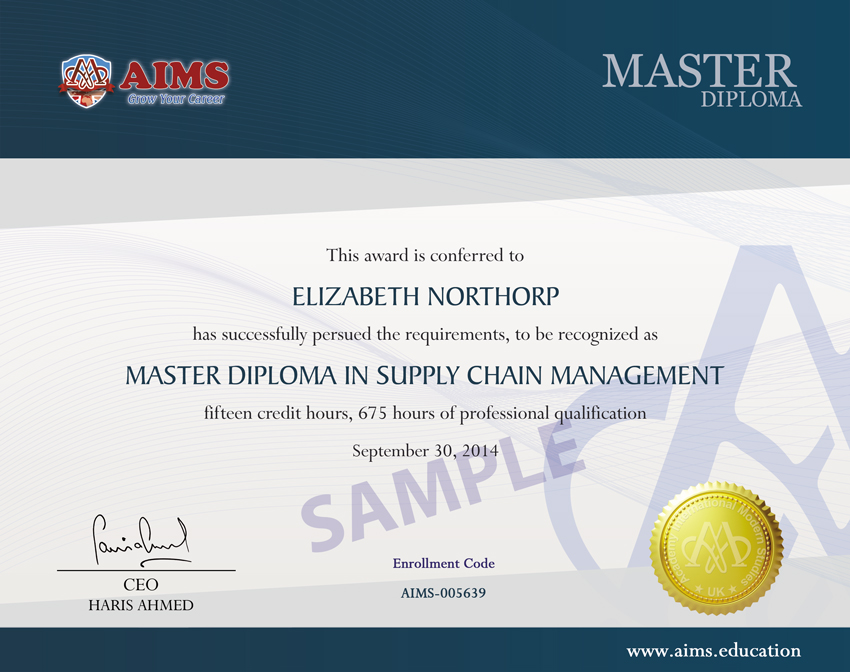
Master Diploma Award

View a sample of the Master Diploma in Supply Chain Management (MDSCM) awarded after successful completion of the program.
diploma in supply chain management and logistics

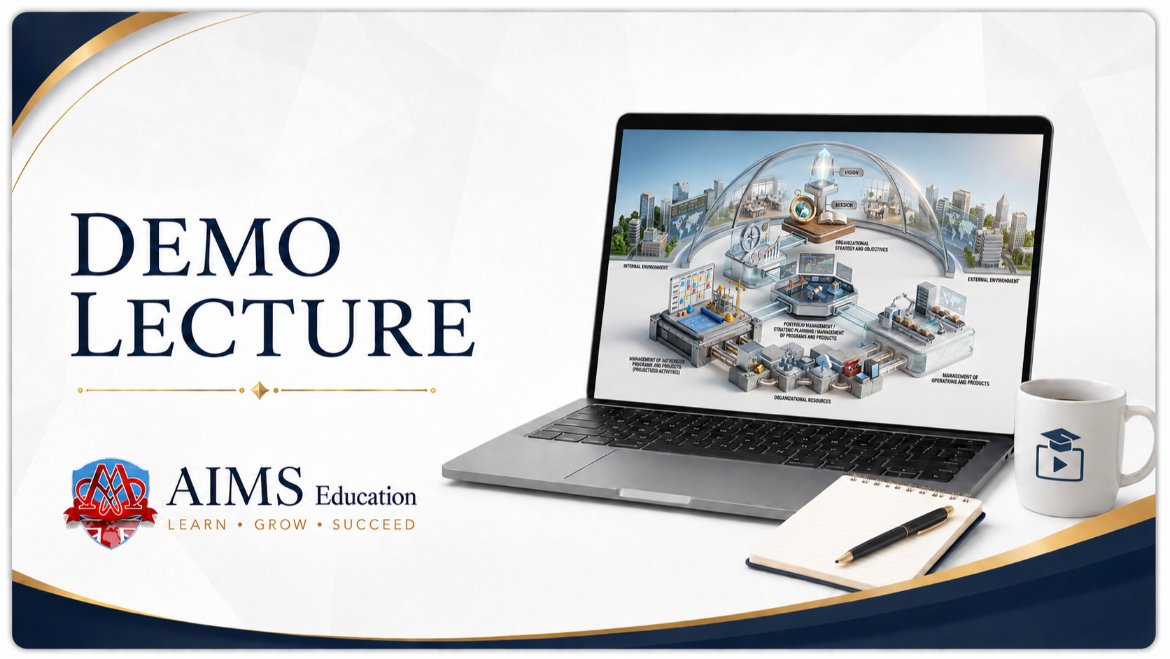
Demo Lecture

Watch a sample lecture to see how AIMS explains supply chain and logistics concepts through clear, interactive online teaching and practical workplace examples.

Career Outcomes and Ideal Candidates

The Diploma in Supply Chain Management support career development across a broad range of supply chain functions and industries.

  • Career Opportunities

    The Supply Chain Management Diploma support progression toward roles such as:

    • Senior Supply Chain Manager: Lead broader supply chain functions, performance improvement initiatives, cross-functional coordination, and strategic operational decisions.
    • Procurement and Sourcing Manager: Lead procurement activities, supplier selection, sourcing decisions, negotiations, supplier performance, and cost management.
    • Planning and Inventory Manager: Manage demand planning, inventory levels, replenishment, capacity coordination, service levels, and stock performance.
    • Warehouse and Distribution Manager: Oversee warehousing, fulfilment, distribution operations, storage, workflow, and performance improvement.
    • Senior Operations Manager: Coordinate operational processes involving supply, production, inventory, logistics, service delivery, and resource planning.
    • Supply Chain Improvement or Transformation Manager: Support process improvement, technology implementation, performance analysis, supply chain redesign, and operational transformation.
    • Supply Chain Consultant: Apply supply chain analysis, planning, logistics, procurement, technology, and process-improvement knowledge in advisory and consulting assignments.
  • Who Should Choose the MDSCM?

    The Diploma in Logistics and Supply Chain Management is particularly suitable for:

    • Supply chain and logistics professionals seeking progression into managerial responsibilities.
    • Supervisors and managers working in logistics, procurement, sourcing, planning, inventory, warehousing, distribution, or operations.
    • Professionals who want broader knowledge beyond their existing specialist supply chain function.
    • Managers responsible for improving supplier performance, inventory, logistics, service levels, operational efficiency, or supply chain coordination.
    • Entrepreneurs and business owners who manage sourcing, suppliers, inventory, fulfilment, distribution, or operational activities.
    • Consultants and advisors seeking structured knowledge of supply chain strategy, design, technology, performance, and improvement.
    • Graduates with relevant professional experience who want to develop advanced practical and managerial supply chain capability.
    • Professionals planning to progress to an MBA or PhD in Supply Chain Management for further advanced study.

Global Accreditation and Recognition

AIMS maintains UK registration and international accreditation as part of its commitment to quality, professional education, and internationally oriented learning. The Master Diploma in Supply Chain Management (MDSCM) is offered within this institutional quality framework.

  • UKRLP: AIMS is registered with the UK Register of Learning Providers in the United Kingdom.
  • QAHE: AIMS is globally accredited by QAHE for international quality assurance.
  • CPD UK: AIMS is accredited by CPD in the United Kingdom for professionally relevant learning and development.

These credentials strengthen confidence in AIMS among learners, employers, corporations, government organisations, and other institutions worldwide.
Hear from Our Global Learners

Start Your Online Supply Chain Diploma with AIMS

Start your self-paced online supply chain diploma with AIMS and build job-ready skills in logistics, procurement, planning, operations, technology, and applied supply chain design.

The next step is to review the curriculum, check MDSCM eligibility, fee and scholarshp details, explore free lectures, and begin the application process. MDSCM gives learners a structured route to build practical supply chain capability through flexible online study.

    FeaturesAIMS’ Master Diploma in Supply Chain ManagementOther Diplomas
    Study FormatFully online and self-paced for working professionals.May be online, classroom-based, fixed schedule, or blended.
    Curriculum ScopeCovers logistics, procurement, planning, operations, technology, relationships, sustainability, and SCOR-based design.Often focuses on selected logistics or operations topics, depending on provider structure.
    Practical LearningIncludes real-world case studies, applied examples, and a SCOR-based supply chain project.May include case studies, but project depth varies by program.
    Stacked RecognitionAwards CSLP and CSCE after Semester I, and MDSCM after Semester II.May award one final diploma only, without staged certifications.
    AssessmentUses assignments, semester examinations, and applied project work.Assessment may rely on exams, assignments, attendance, or project work.
    ProgressionSupports progression toward AIMS’ MBA in Supply Chain Management and PhD Supply Chain pathway where eligibility requirements are met.Progression depends on the awarding structure and institutional policies.
    Decision-support comparison between AIMS’ MDSCM and general diploma options available in the market.

    FAQ About Online Supply Chain Diploma

    It is AIMS’ Level 6 online diploma in logistics and supply chain management. The program covers supply chain strategy, logistics, planning, procurement, inventory, warehousing, transportation, operations, technology, sustainability, and a real-world project.

    Yes. The program begins with foundational supply chain and logistics concepts, so prior formal education in supply chain management is not required. Learners should meet the eligibility criteria and have working knowledge of English.

    The average completion time is 3 to 7 months. Registration remains valid for one year, and extensions may be available upon request. Students usually study 10 to 12 hours per week, although the self-paced structure allows committed learners to progress according to their schedule.

    Students receive the Certified Supply and Logistics Professional (CSLP) and Certified Supply Chain Expert (CSCE) certifications after successfully completing Semester I. The final MDSCM diploma is awarded after Semester II.

    A diploma focused only on logistics usually emphasizes transportation, warehousing, distribution, and flow of goods. A broader supply chain management diploma also includes sourcing, procurement, planning, operations, supplier coordination, technology, sustainability, and strategic supply chain design.

    Yes. The Master Diploma in Supply Chain Management (MDSCM) carries 18 graduate-level credit hours, which may support credit transfer toward higher qualifications, including MBA and PhD programs in supply chain management.

    Yes. AIMS graduates are working in government departments, corporate organizations, educational institutions, and international business environments around the world. The value of the MDSCM comes from its structured curriculum, UK registration, QAHE and CPD accreditations, and practical assessments.